
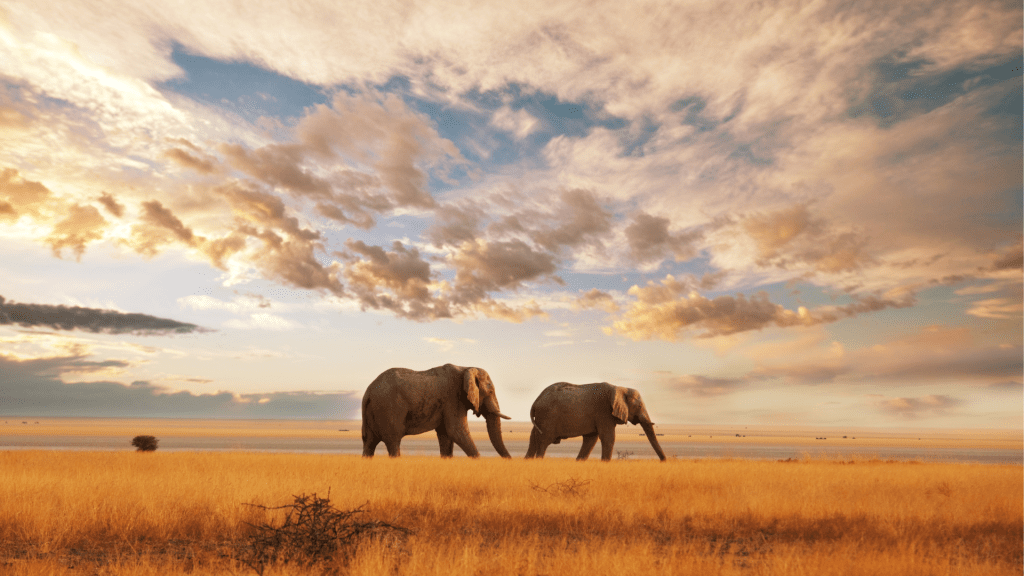
What can elephants tell us about aging?
Humans and elephants have similar lifespans, with elephants capable of living into their early 70s. Unlike humans, who face many neurodegenerative diseases in old age such as Alzheimer’s and dementia, elephants retain their cognitive resilience.
We aim to determine how different elephant species live so long while maintaining their cognitive health. Our research also aims to better understand the impact human activities can have on elephant health and aging, which can inform strategies and policies that allow humans and elephants to coexist. To do this, we document elephant behavioral patterns, collect and analyze biological samples (e.g., dung, urine, skin tissue), and assess ecological factors.
“Elephants and humans are similar in some key characteristics, such as lifespan and sociality, but they took very different evolutionary paths. If we can identify some of the unique strategies that have evolved in elephants, we can better understand healthy human aging, too.” -Daniella Chusyd

P53: Guardian of the Genome
Elephants have approximately 20 copies of the TP53 gene — also known as the “guardian of the genome” — when most other mammals, including humans, have just one. This makes them more sensitive to detecting DNA damage and less likely to grow tumors or develop cancer. The gene is also involved in general aging processes, so it is a primary area of our lab’s focus.
Where We Work
The Chusyd Lab is part of the School of Public Health at Indiana University Bloomington. We have several field sites in Africa.
Our Current Partners
Game Rangers International

Zambia Department of Parks and Wildlife

Namibia Organization for Tropical Studies

Recent Publications and Media Highlights
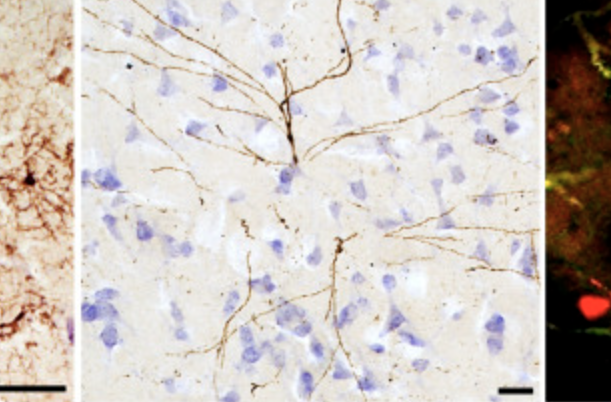
 ELEPHANT AGING AND ENVIRONMENTAL HEALTH